


Grab a friend, your headlamp and run into the dark
Trail running at night can be an exciting and beautiful experience. However, the dark, unfamiliar sounds of nature and wild animals can be unnerving at the start, particularly as our senses are heightened.
Great news! To make your trail run in the dark fun, enjoyable and as safe as possible, we have the following top tips and guidance for you to have the best adventure out there.
- Invest in a high-quality headlamp
- Take your phone
- Wear bright colors
- Be prepared
- Get a friend to join you
- Let someone know
- Leave your ear buds at home
- I am the night
1. Invest in a high-quality headlamp
The number one piece of kit for trail running in the dark is a high-quality headlamp.
Put simply, the brighter the headlamp, the clearer you can see, the more you will enjoy your adventure. And when racing, the faster you will be able to run in the dark.
There are many excellent headlamps out there. Take time to identify your needs by exploring how much time you will spend running in the dark and for how long?
Also, consider what races you have planned. Are you training towards an ultra? Will you be running at night?
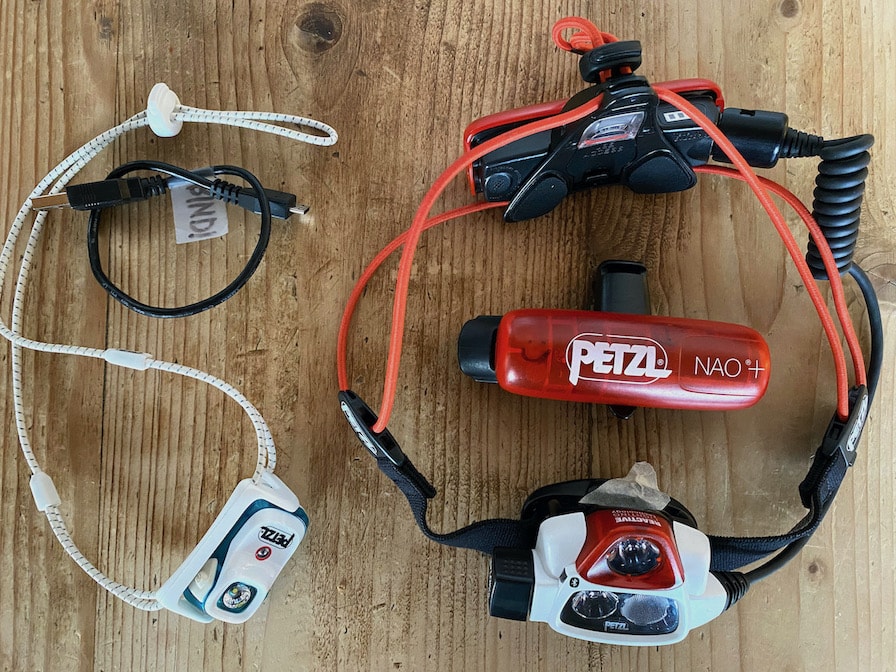
Headlamps can be expensive. It’s therefore important to make sure you invest in one that meets your performance requirements. When you start comparing lights, metrics to consider are the maximum light output (measured in lumens), weight with batteries, battery life and type, beam distance, and water resistance.
There are lightweight, rechargeable headlamps, and headlamps with rechargeable and standard batteries. Some include a constant (or strobe) red light mode at the rear.
Wearing a chest mounted light is another option and having a small hand held torch can be a great addition and improve depth perception when used with a head torch.
We believe the following key considerations make for great running headlamps.
- Long battery life gives confidence.
- Comfort is essential particularly when racing.
- Great light quality helps focus.
- Range of settings for beam distance and brightness.
- Lightweight enough to be fit for purpose.
- Tough, long-lasting and weatherproof able to resist heavy rain
2. Take your phone
Many of us like to disconnect when we run and leave our phone at home. As trail runners, particularly when we head out for a night run, taking our phone with us is a smart move.
You may need to check your location, call for help, be contacted urgently, or help someone during your run. In the same way we know our body best, we get to know our phone best. We know what 30% battery life means in terms of duration.
Tip: Running low on phone battery? Switch to battery saving mode immediately.
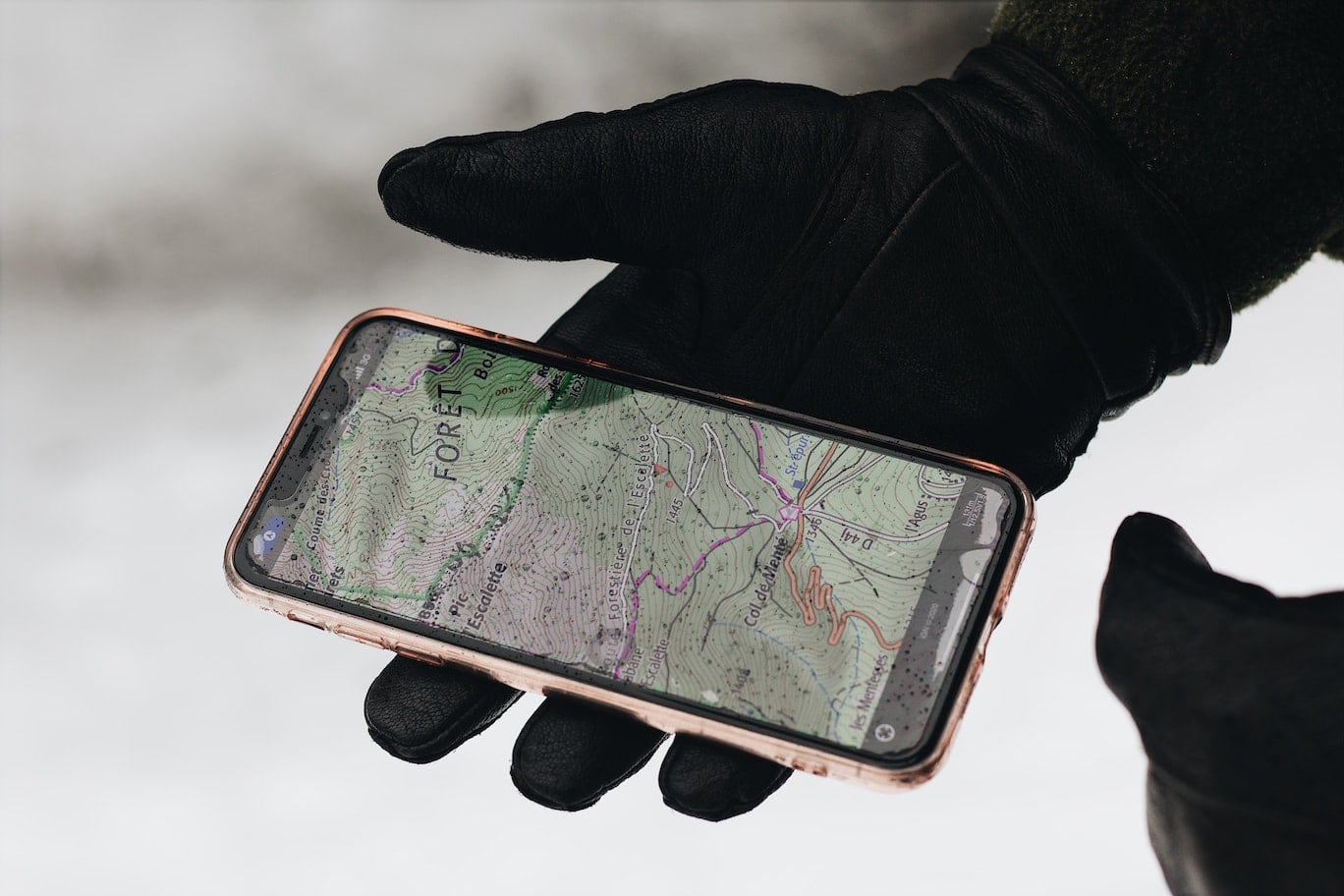
The lithium-ion batteries in our phones hate extreme cold and heat. When temperatures start dropping below freezing make sure you keep your phone as close to your body as possible when running.
In cold conditions batteries drain quicker and become less efficient, the performance of touch screens diminish, and phones can shut down unexpectedly.
Tip: When you get home, allow your phone to warm up to room temperature before charging it.
3. Wear bright clothing
Whether you’re running roads or trails it’s a good idea to wear something bright so that you can be seen. You may wonder why this is important when trail running in the dark.
First, if you do fall and need to be rescued – more about this below – bright colors stand out. Most running clothes have a reflective detail or you could wear hi-vis vest straps.
Second, hunting is still permitted in many areas. Bright colors contrast the natural environment and will help minimize your chances of being mistaken as an animal.
Tip: Avoid wearing white. Deer normally have white patches on their neck and under their chin, so the color won’t stand out to hunters as much as you might think.
And if you run with your dog, make sure you protect them too with a hi-vis jacket. The best action is to know the hunting season in your area, when and where it is allowed, so you can avoid this risk completely.
4. Be prepared
Before you head out the door check the weather conditions and temperature. Based on how long you are planning to run, do a quick head to toe check to decide what extra kit you may need:
- Would a beanie be better than a cap?
- Do you get cold quickly when you stop?
- Do you have an extra layer or sleeves to put on?
- Do you need your thicker, more insulating gloves?
- Is your windproof jacket sufficient or is there chance of rain?
- Do you have spare batteries for your headlamp or a spare head torch?
Packing an extra warm layer, taking a waterproof jacket (and pants if necessary) and wearing a neck gaiter are all small measures we can do to ensure that we have a successful run in the dark whatever the weather decides to do. It’s all great race preparation too.
And if you’re taking a running pack make sure you include your space blanket and your trail running first aid kit in case of an emergency.
5. Get a friend to join you
And make it an adventure!
Arrange a time to meet, and plan in advance where you’re going to run, ideally on a comfortable trail and route you know well.
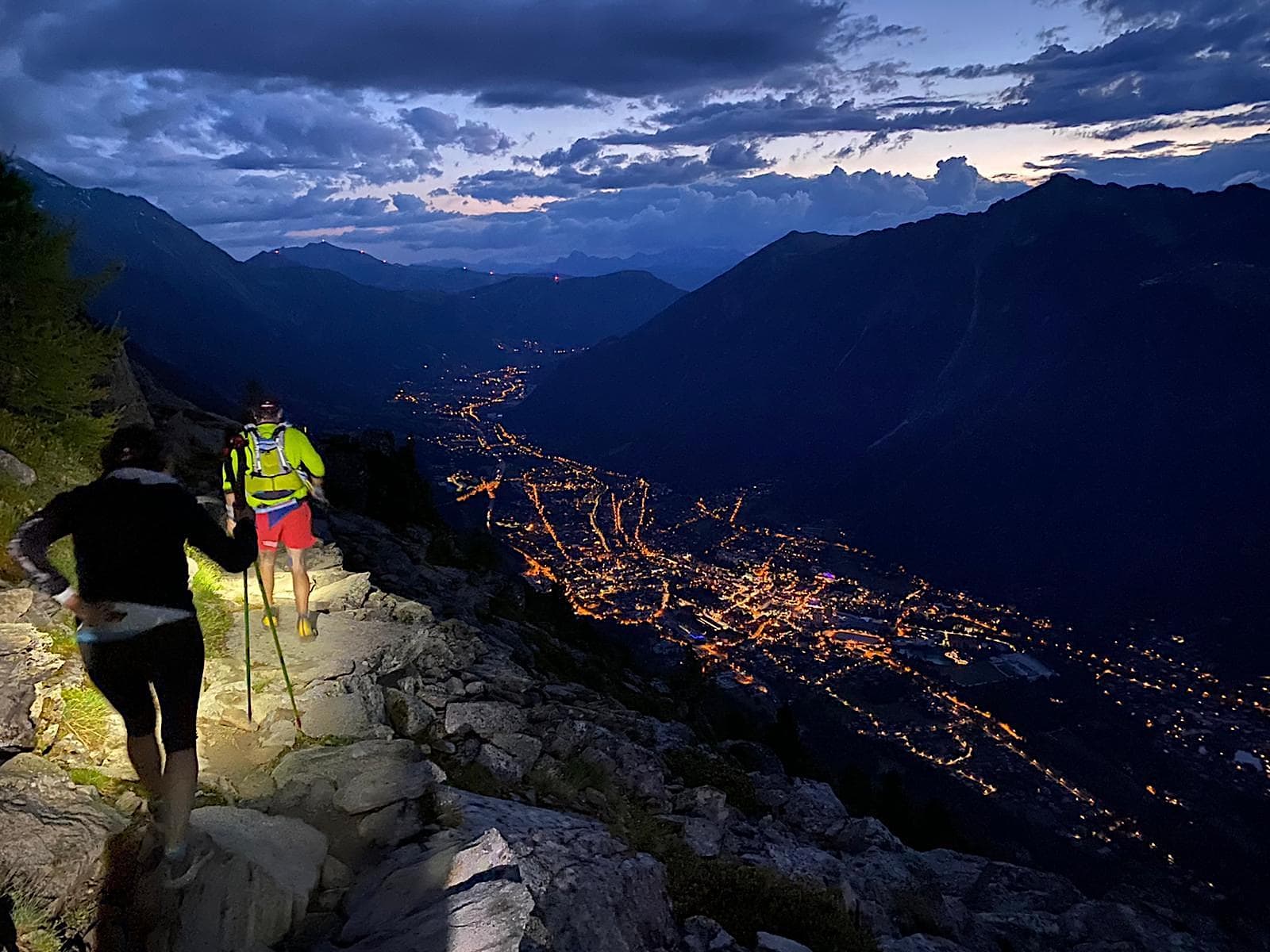
Your run could start at dusk to allow your eyes to adjust to the dark, run along lit streets to a trailhead, and then onto a looped run, or an out and back.
Trails you have run on a million times before can look and feel completely different in the dark at first. By running on a trail you know well, with your amazing headlamp, you will quickly recognize familiar features and relax into your run.
Running with a buddy can ease concerns about being alone in the dark. Trail running at night is fun! It creates a sense of adventure and a shared experience.
Plus, the noise of runners chatting, jackets rustling, and headlamps lighting up the trail, will certainly alert wildlife of your presence.
Hit pause: Clear night? Switch off your headlamp and take a moment to marvel at the stars.
6. Let someone know
During those first few runs on your own in the dark on familiar trails, make sure you let a friend or family member know where you plan to run and what time you will be back. There are lots of tracking apps that allow you to share your location which is a good idea, especially if you are going for a long or really remote run.
Remember to create a buffer. You know…that time between finishing your run, stopping your watch, finding your keys, getting in through the door, kicking off your shoes and making your recovery drink. Then you suddenly remember you need to let your friend know you’re home safe.
Tip: Set a reminder on your phone to message them when you are back, or drop a pin on Google Maps and share it when you’re home.
7. Leave your earbuds at home
Trail running in the day with music can be hugely energizing. Trail running at night with music puts you at a disadvantage. Not only is your sight lessened but your hearing is cut off. It’s important to be able to detect cars if you’re running on the road, or local wildlife, other runners or trail users if you’re running off road on trails.
If running with music is important to you, keep the volume low or run with one earbud so you are aware of what is happening around you.
8. I am the night
Running on trails and uneven ground in the dark takes practice.
You could start your run in failing light to let your night vision adjust before putting on your head torch. It’s important to slow down and reduce your speed. Don’t expect to run at the same pace you would during daylight hours.
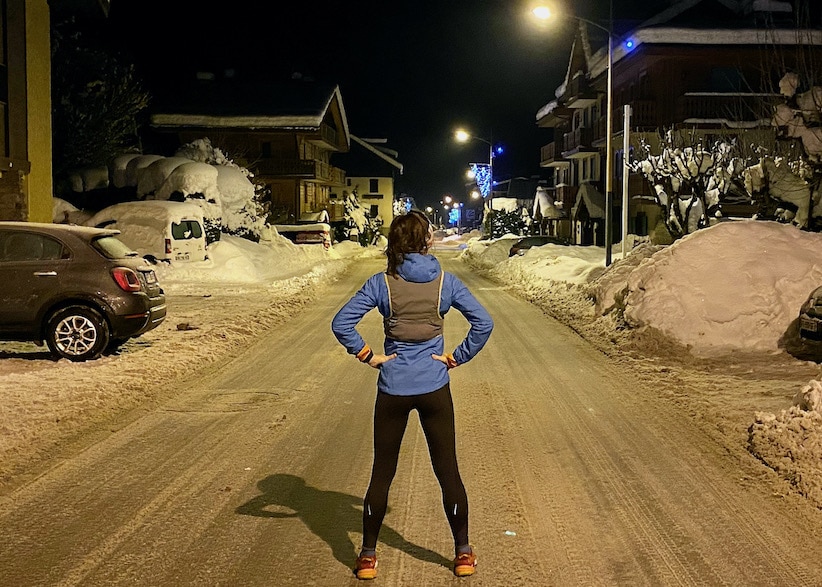
If you’re a Garmin user, record an activity between 2200 – 0400 and you’re awarded the “I am the night” badge.
Focus on shortening your stride, running lightly and picking up your feet to avoid tripping. When running in the light our view is sharp and focused, and we take in lots of detailed information.
In the dark, these processes are impaired, including depth perception, lack of color and peripheral vision. The information we receive is more blurry, even on trails we know well, the roots and rocks can appear distorted by the darkness.
One of the beautiful aspects of trail running at night is that often you become entirely absorbed and engaged in your run. Your attention is completely focused on the present moment, and you are fully immersed in the experience.
Just you and the trail.
We hope these tips give you the confidence and encouragement to run in the dark soon.
You’ve got this.
Oww oww owww!
Thank you for reading.